Navigating Air Travel with Your Emotional Support Animal: A Comprehensive Guide
Traveling with an Emotional Support Animal (ESA) can be a rewarding experience, providing comfort and stability during your journey. However, understanding the regulations and requirements for flying with an ESA can be complex and varies significantly between airlines and destinations. This comprehensive guide will help you navigate the process, ensuring a smooth and stress-free trip for both you and your beloved companion.
Understanding ESA Regulations and Airline Policies
The landscape for Emotional Support Animals on flights has evolved. While the Air Carrier Access Act (ACAA) previously protected ESAs, the Department of Transportation (DOT) revised its rules in 2021, allowing airlines to treat ESAs as regular pets rather than service animals. This means airlines are no longer required to accommodate ESAs free of charge or allow them in the cabin if they do not meet service animal criteria.
Key Considerations:
- Service Animals vs. ESAs: It's crucial to understand the distinction. Service animals are individually trained to perform tasks for individuals with disabilities. ESAs provide comfort through their presence.
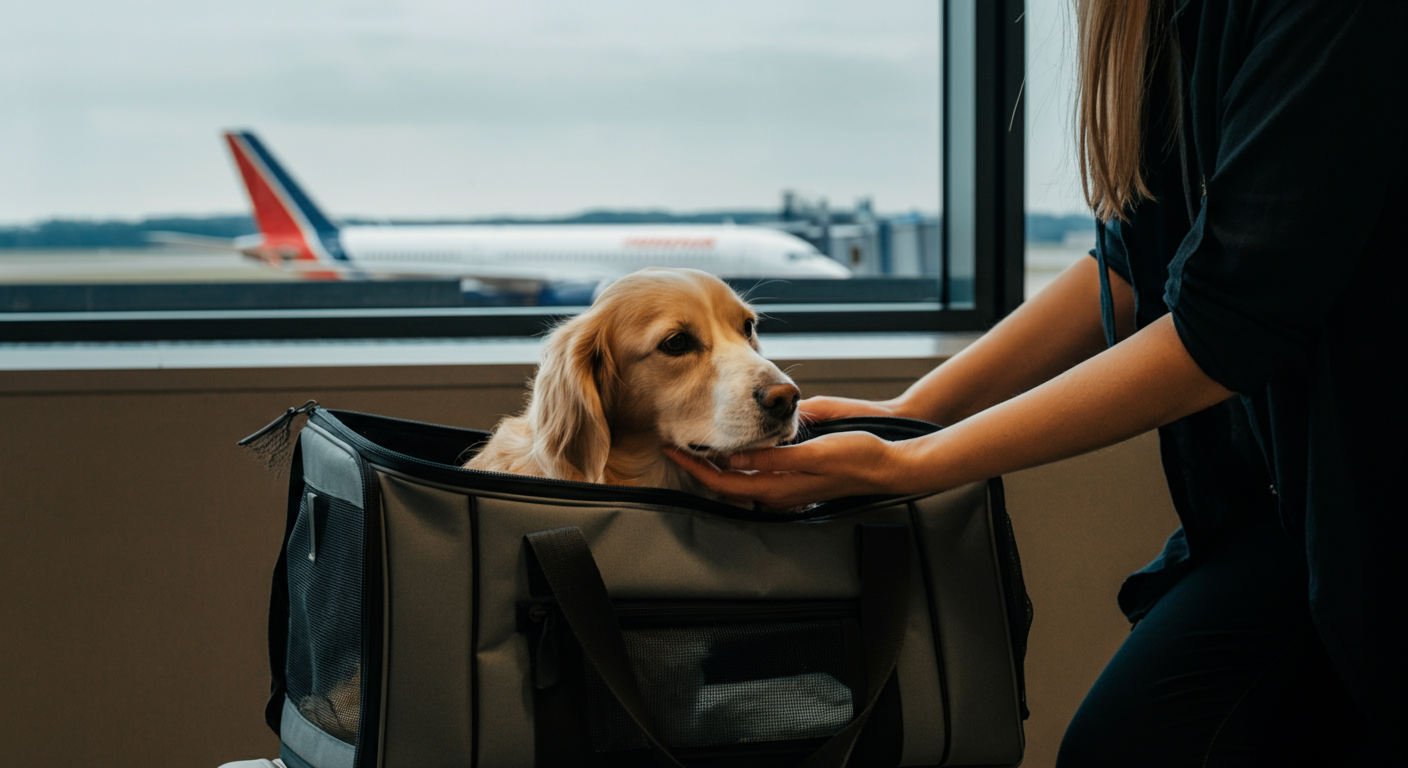
- Airline-Specific Policies: Each airline now has its own policy regarding ESAs. Most airlines require ESAs to travel as pets, subject to pet fees and size/breed restrictions. Some may still accommodate smaller ESAs in the cabin if they fit under the seat in a carrier.
- Documentation: While an ESA letter from a licensed mental health professional is still important for demonstrating your need for an ESA, it may not be sufficient for airline travel under current regulations.
Before You Book Your Flight
Preparation is paramount when traveling with an ESA. Follow these steps well in advance of your travel date:
- Research Airline Policies: Before booking, thoroughly review the pet policy of your chosen airline. Pay close attention to:
- Fees: What are the charges for bringing a pet?
- Size and Weight Restrictions: Can your ESA fit under the seat in front of you?
- Carrier Requirements: What are the dimensions and specifications for pet carriers?
- Breed Restrictions: Are there any breeds that are not permitted?
- Health and Vaccination Requirements: What veterinary documentation is needed?
- Consult Your Veterinarian: Schedule a visit to ensure your ESA is healthy and up-to-date on all vaccinations. Obtain a health certificate if required by the airline or your destination. Discuss any potential travel-related anxieties your ESA might experience and possible solutions.
- Contact the Airline Directly: Even after reviewing online policies, it's highly recommended to call the airline's special assistance desk. Inform them you will be traveling with an ESA and confirm all requirements. This can help prevent last-minute surprises at the airport.
- Prepare Your ESA Letter: While not universally accepted for free cabin travel, having an up-to-date ESA letter from a licensed mental health professional is still beneficial for demonstrating your need and can be helpful in certain situations.
At the Airport and During Your Flight
The day of travel can be stressful, but with proper planning, you can minimize anxiety for both you and your ESA:
- Arrival Time: Arrive at the airport earlier than usual to allow ample time for check-in, security, and any unexpected delays.
- Check-in: Be prepared to present all necessary documentation, including your ESA letter, health certificates, and vaccination records.
- Security Screening: You will likely need to remove your ESA from its carrier for security screening. Follow TSA guidelines and cooperate with security personnel.
- Potty Breaks: Ensure your ESA has opportunities for potty breaks before and after the flight. Many airports have designated pet relief areas.
- During the Flight:
- Keep your ESA in its carrier under the seat in front of you, if permitted.
- Do not feed your ESA large meals before or during the flight to prevent discomfort.
- Offer water during layovers or if the flight is long.
- Be mindful of other passengers and ensure your ESA does not disrupt them.
International Travel with an ESA
International travel with an ESA introduces an additional layer of complexity. Each country has its own import regulations, quarantine laws, and health requirements for animals. It is imperative to research these requirements extensively well in advance of your trip, as they can be stringent and time-consuming to fulfill.
Conclusion
While the rules for flying with an Emotional Support Animal have changed, it is still possible to travel with your companion. The key to a successful journey lies in thorough research, meticulous preparation, and clear communication with your chosen airline. By understanding and adhering to all regulations, you can ensure a comfortable and safe travel experience for you and your ESA.
Need help implementing this?
Hire a top 1% Virtual Assistant today and get your time back.
Book a Free Strategy Call